
Our Culture
Caring for a heritage passed down through time and preserved by our artisans. A savoir-faire that respects the rhythms of nature, enhancing seasonal flowers and fruit through slow, deliberate gestures.


The Gesture of Our Artisans
Our creations are handmade, expressing a culture that continues to evolve without losing sight of its roots.
We believe that time is an essential ingredient: we honour the long processes of recipes passed down through generations, preserving their value, authenticity and uniqueness.

The Botteghe, the Heart of Our Factory


The Chocolate Bottega
Chocolate takes shape through artisanal processes that combine skilled craftsmanship with recipes passed down through generations.
Even today, production relies on historic machinery that continues to operate according to the time required by traditional processes.
The 1863 De Batiste granite mixer, the Carle & Montanari steel-roll refiner from the 1950s, and the Melzi longitudinal granite conche from the same period slowly refine the cocoa mass, enhancing its texture and aromas without altering its identity. This process gives rise to dark and milk chocolate, crafted into bars, pralines and artisanal chocolates.
Alongside conched chocolate, the rare Santé chocolate is still made exclusively with cocoa and sugar, following the nineteenth-century recipe—a precious testament to the origins of the art of chocolate-making.


The Confetti Bottega
“La dragée est la partie la plus difficile des travaux du confiseur,” wrote Barbier Duval in L’Art du Confiseur Moderne (Paris, 1879). Sugar panning has always been considered one of the most complex processes in confectionery, requiring experience, sensitivity and the slow pace of traditional methods.
For centuries, it was carried out in the branlante, the traditional hand-operated pan that allowed the confettiere to carefully control every stage of the process. From the mid-19th century onwards, mechanical copper pans made the work easier, but even today, the quality of a confetto depends on the experience of the artisan who makes it and the care devoted to each individual step.
Sugar panning is carried out in small batches, using only pure sugar, with no added starch. The centres are placed in traditional rotating copper pans, kept in constant motion and heated


The Fruit and Flower Bottega
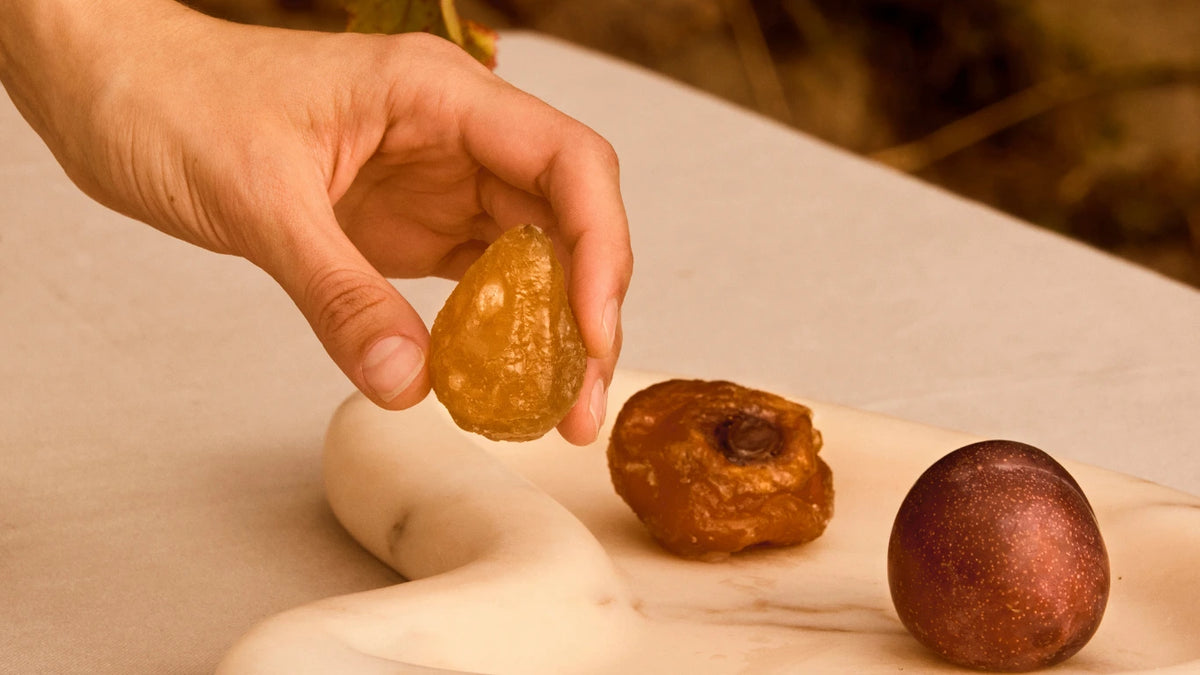
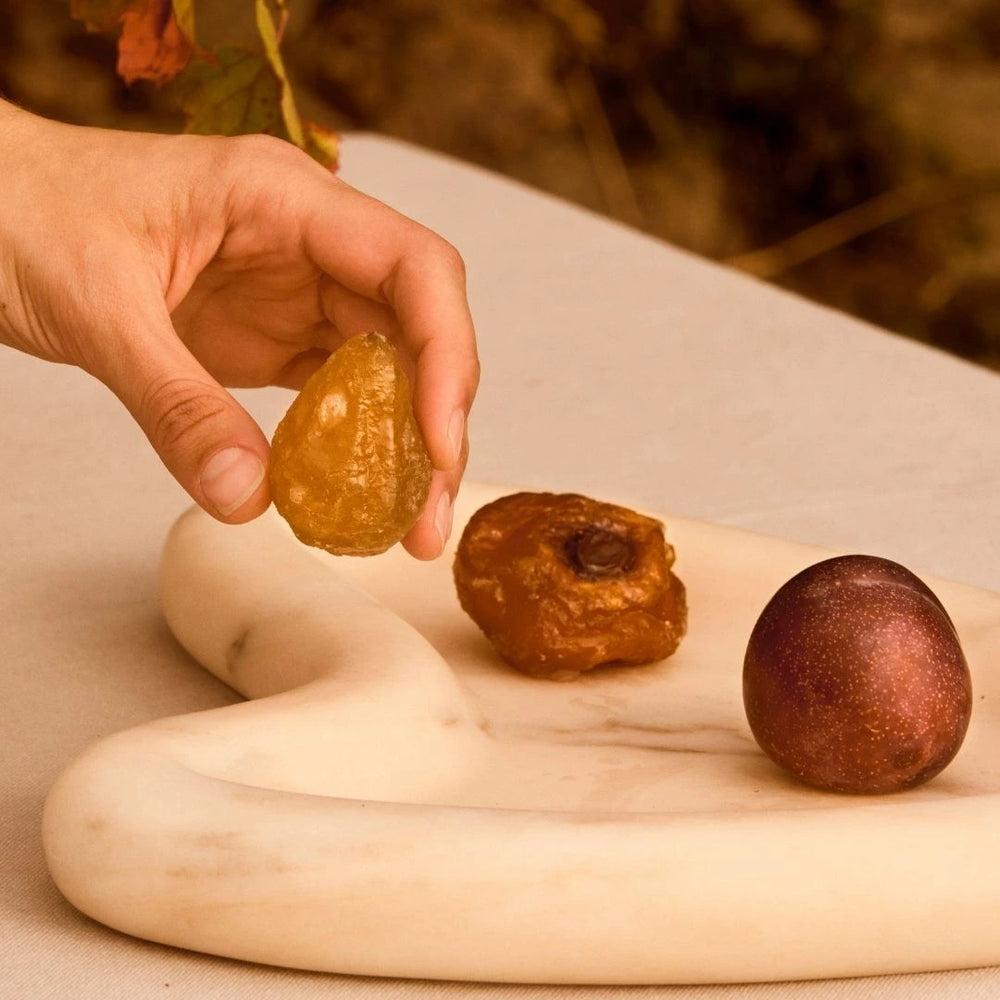
Candying is a slow, patient and artisanal art, requiring different times and techniques for each fruit. Following the ancient Genoese tradition of fine canditura, fruit is worked whole: each piece is pierced by hand to encourage the natural release of water and allow the sugar to slowly penetrate the flesh.
After careful selection, the fruit is immersed in a sugar syrup whose concentration gradually increases over the course of approximately fifteen days. Through the slow process of osmosis, water is gradually replaced by sugar, preserving the structure of the fruit while retaining its aromas, texture and flavour.
Only when it is ready to be enjoyed is the candied fruit glazed: a very thin coating of suga


The Fondant Bottega
This Bottega has its roots in the ancient art of confectionery described by La Varenne in 1667 in Le Parfait Confiturier, the first treatise dedicated to the transformation of sugar and its delicate cooking processes.
Here, the creativity of our artisans meets the raw material of sugar, transforming it into shapes, colours and flavours inspired by nature.
These creations are preserved through the refined technique of brillantatura, an ancient process that gives sugar its lustrous finish while allowing it to be naturally preserved.


The Pastry Bottega
Once known as “Four”, this Bottega is where the celebrated “Romanengo Dolci” were born: the confettiere’s creations, distinguished from fresh pastry by the absence of flour, butter and eggs.
Here, ingredients from the other botteghe—such as chocolate and candied fruit—meet raw almond paste or fondant, giving rise to creations of unique balance and refinement. The process remains entirely manual to this day: the artisan’s precise gesture shapes each creation, giving it a distinctive form and aesthetic.
The few machines used here are dedicated to preparing the mixtures and bear witness to a long artisanal history: a nineteenth-century granite-roll refiner, a 1940s nougat machine and a cream cooker.


The Packaging Bottega
Packaging is an essential part of the Romanengo identity, encapsulating a true ritual of craftsmanship.
Crafted in wood by artisans from Ruta di Camogli or in paper—at times enriched with velvet trims—the boxes draw upon the shapes and details of our history.
The most iconic is the rectangular box, reminiscent of the wooden crates used to hold freshly picked fruit before it was transformed into candied fruit.

Blue paper, natural twine, and lead pencil
The signature blue paper of our boxes evokes historic 'sugar paper,' once used to wrap loaves of sugar. The white twine holds a pencil in tribute to how packages were carried before bags existed—when a simple loop of string was all it took to hold them close.

THE EXPERIENCE CONTINUES
-
OUR
WORKSHOPS
 Explore the Workshops
Places where tradition continues to live on every day, welcoming those who wish to discover a heritage of flavors, aromas, and gestures preserved for generations. Every detail expresses Romanengo's identity and a culture of excellence that has been handed down over time.
-
our
HISTORY
 Explore the history
A story that began in 1780, spanning wars, epidemics, and the most prosperous years of the Republic of Genoa. Generation after generation, the Romanengo family has passionately preserved and passed down their art, becoming a benchmark for the artisanal production of confetti, candied fruits, and other confectionery excellences that still tell the story of Genoese tradition today.

